Selling Digital Products
    Pillar Guide

    How to Sell Digital Products Online: The Complete 2026 Guide

    Everything you need to start selling digital products online — from choosing your product type to setting up your store and making your first sale.

    18 min readUpdated

    Why Digital Products Are the Best Business Model for Creators

    Digital products have transformed how creators earn money online. Unlike physical goods, digital products have zero inventory costs, unlimited scalability, and can generate passive income for years after creation.
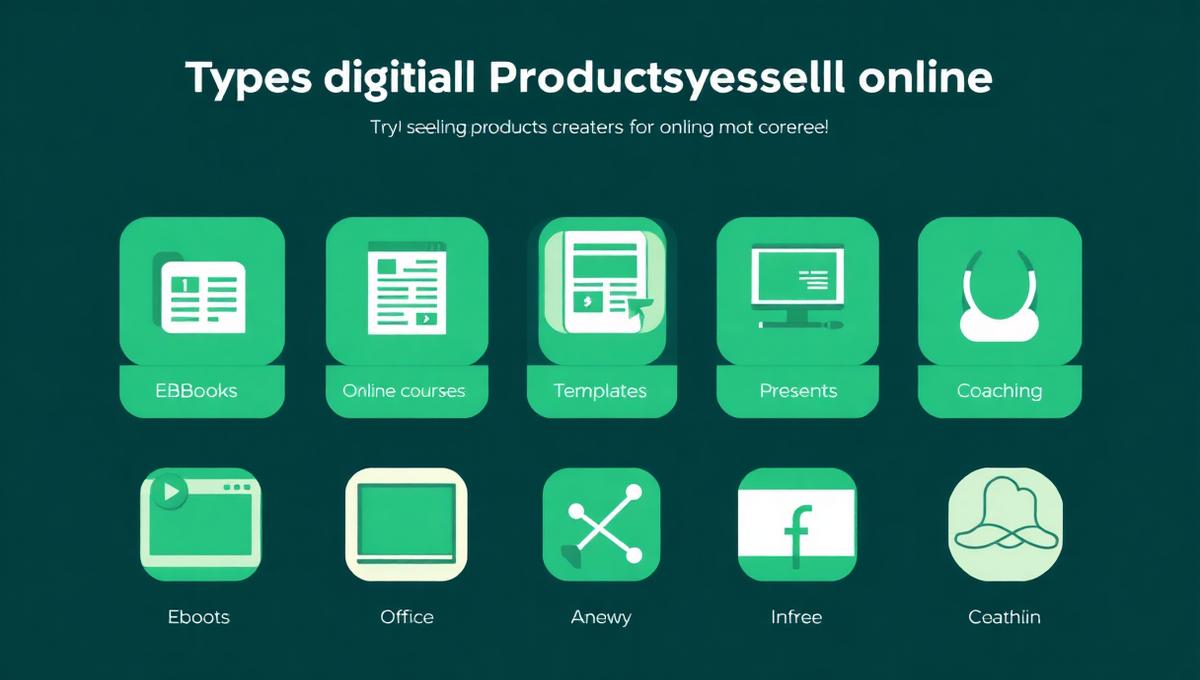
    Types of digital products creators sell online — ebooks, courses, templates, presets, and coaching
    Types of digital products creators sell online — ebooks, courses, templates, presets, and coaching

    In 2026 Unlike physical goods, digital products have zero inventory costs, unlimited scalability, and can generate passive income for years after creation.

    In 2026, the creator economy is worth over $250 billion — and digital products are the fastest-growing segment. Whether you're a coach, designer, writer, or educator, selling digital products lets you monetize your expertise without trading time for money.

    What Are Digital Products?

    Digital products are non-physical goods delivered electronically. They include:

  1. Ebooks and guides — Written content packaged as PDFs or EPUBs
  2. Online courses — Video or text-based educational content
  3. Templates and presets — Design files, spreadsheets, Notion templates, Lightroom presets
  4. Digital art and graphics — Illustrations, stock photos, icons, fonts
  5. Coaching and consulting — 1-on-1 or group sessions booked and paid online
  6. Membership content — Exclusive access to gated content or communities
  7. Printables — Planners, worksheets, wall art designed for home printing
  8. Why Creators Choose Digital Products Over Services

    FactorServicesDigital Products
    Income ceilingLimited by hoursUnlimited — sell to thousands
    DeliveryManual, per-clientAutomated, instant
    Startup costLowVery low
    ScalabilityHardEffortless
    Passive incomeNoYes

    Step 1: Choose Your Digital Product Type

    The best digital product for you depends on three factors:

  9. Your expertise — What do you know that others want to learn?
  10. Your audience — What problems do your followers face?
  11. Market demand — Are people actively searching for this solution?
  12. High-Demand Digital Products in 2026

    Based on search trends and market data, these digital product categories are experiencing the highest growth:

  13. AI prompt templates — Prompt packs for ChatGPT, Midjourney, and other AI tools
  14. Notion templates — Productivity systems, CRM templates, content calendars
  15. Short-form video courses — Bite-sized educational content under 60 minutes
  16. Design asset bundles — Canva templates, social media kits, brand identity packs
  17. Digital planners — GoodNotes and Notability compatible planners
  18. Step 2: Create Your Product

    Creating a digital product doesn't require advanced technical skills. Here's a framework:

    The MVP Approach

    Don't spend months perfecting your product. Launch a Minimum Viable Product (MVP) — the simplest version that delivers value:

  19. Outline your product in 30 minutes
  20. Create the core content in 1–3 days
  21. Package it professionally (cover design, formatting)
  22. Price it based on value, not time spent
  23. Launch to your existing audience
  24. Tools for Creating Digital Products

  25. Ebooks: Google Docs, Canva, Notion
  26. Courses: Loom, ScreenPal, Canva
  27. Templates: Canva, Figma, Notion, Google Sheets
  28. Presets: Adobe Lightroom, Photoshop
  29. Digital art: Procreate, Illustrator, Midjourney
  30. Step 3: Set Up Your Store

    You need a platform that handles:

  31. Product listings with descriptions and images
  32. Secure payment processing
  33. Automatic digital file delivery
  34. Customer email collection
  35. Mobile-optimized checkout
  36. Why Creators Choose Creastor

    Creastor is built specifically for creators who sell digital products from social media. Unlike bloated platforms, Creastor gives you:

  37. A beautiful storefront from your bio link — no website needed
  38. 0% transaction fees on paid plans (vs. 5–10% on competitors)
  39. Instant file delivery — buyers get their download immediately
  40. Built-in email collection — grow your list with every sale
  41. SEO-optimized store pages — get found on Google, not just social media
  42. Customizable themes — match your brand without hiring a designer
  43. Step 4: Price Your Products

    Pricing digital products is both art and science. Here are proven strategies:

    Value-Based Pricing

    Price based on the outcome your product delivers, not the time it took to create:

  44. A $27 ebook that saves someone 40 hours of research is underpriced
  45. A $197 course that helps someone land a $5,000 client is a bargain
  46. Pricing Tiers for Digital Products

    Product TypeLow EndSweet SpotPremium
    Ebooks$9$19–$29$49
    Templates$7$15–$25$49
    Mini courses$27$47–$97$197
    Full courses$97$197–$497$997+
    Coaching (1hr)$50$100–$200$500+

    Step 5: Market and Sell

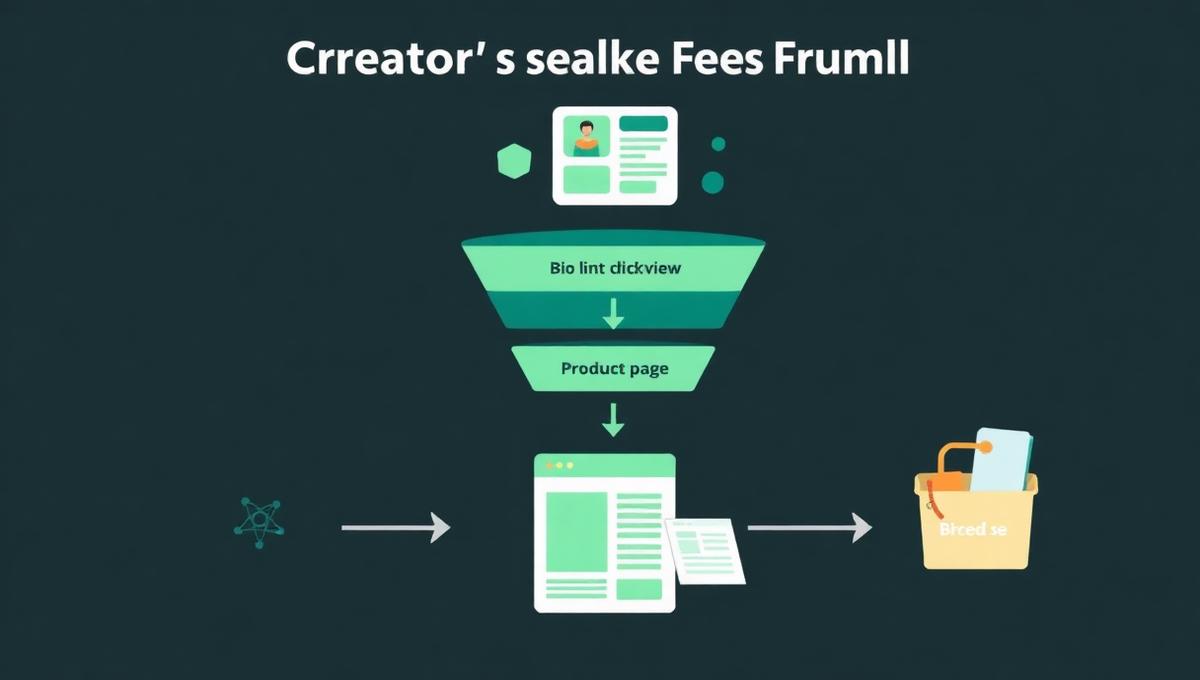
    Creator sales funnel from social media content to bio link clicks and digital product purchases
    Creator sales funnel from social media content to bio link clicks and digital product purchases

    The best product in the world won't sell itself. Here's your marketing playbook:

    Social Media Strategy

  47. Create content about the problem your product solves
  48. Share testimonials and results from buyers
  49. Use your bio link to drive traffic to your store
  50. Post consistently — 3–5 times per week minimum
  51. Email Marketing

    Your email list is your most valuable asset. For every sale, collect the buyer's email and nurture them toward your next product.

    SEO for Digital Products

    Most creators ignore SEO — which is a massive opportunity. By optimizing your store and product pages for search, you can attract free, high-intent traffic from Google.

    Creastor automatically generates SEO-friendly store pages, giving you an advantage over platforms like Stan Store and Linktree that offer zero SEO visibility.

    Common Mistakes to Avoid

  52. Waiting too long to launch — Ship imperfect, iterate fast
  53. Pricing too low — Cheap prices signal low quality
  54. Ignoring email collection — Build your list from day one
  55. Using platforms with high fees — Every 5% fee eats into your margin
  56. Not investing in cover design — First impressions drive purchases
  57. Start Selling Today

    The best time to start selling digital products was yesterday. The second best time is now.

    Create your free Creastor store → and start selling in minutes — no website, no code, no transaction fees on your first products.

    Frequently Asked Questions

    What are the best digital products to sell online?

    The most profitable digital products include ebooks, online courses, design templates, presets, coaching sessions, digital art, printables, and membership content. The best product depends on your skills and audience — choose something you can create once and sell repeatedly.

    How much money can you make selling digital products?

    Earnings vary widely. Many creators earn $500–$5,000/month selling digital products, while top creators earn $50,000+ monthly. Your income depends on your audience size, product quality, pricing strategy, and marketing efforts.

    Do I need a website to sell digital products?

    No. Many creator platforms let you sell digital products directly from a link in your social media bio — no domain, hosting, or coding required. You set up a storefront, upload your files, and share your link.

    What platform is best for selling digital products?

    The best platform depends on your needs. Key factors to compare: transaction fees (0–10% across platforms), monthly subscription costs, built-in marketing tools, storefront customization, and whether you sell primarily from social media or your own website.

    #digital products#sell online#creator economy#passive income